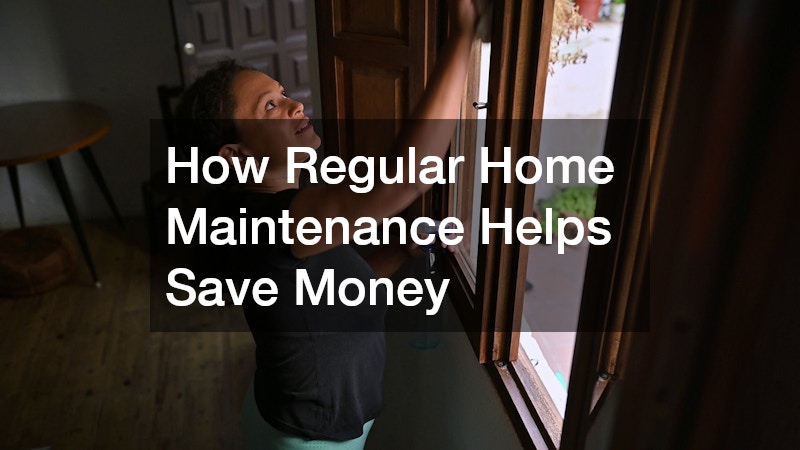
Owning a home is a significant milestone in a person’s financial life. It is an investment that builds equity over time, offers stability, and provides a space to call your own. However, many homeowners overlook the ongoing financial commitment required to keep a property in peak condition. While mortgage payments, property taxes, and insurance are fixed costs that are easy to budget for, home preservation is a variable expense that can catch people off guard.
The Financial Philosophy of Proactive Upkeep
Shifting from Reactive to Preventive Spending
The core economic principle behind routine property preservation is simple: minor expenses today prevent massive bills tomorrow. When you ignore the small warning signs your home gives you, the underlying damage rarely stays contained. A tiny leak in a pipe or a slight crack in a window seal might seem trivial when you are focused on monthly bills, but these minor flaws inevitably worsen.
Preventative spending allows you to control the timing and scope of your expenditures. When you schedule routine checkups, you can shop around for the best rates, read reviews, and plan the expense during a month when your budget allows for it. On the other hand, reactive spending usually happens during an emergency. When a system fails completely, you are forced to pay premium emergency rates, overnight shipping fees for parts, and whatever price the first available technician quotes you.
Preserving Long-Term Property Value and Equity
Your home is likely one of the largest components of your net worth. The equity you build in the property acts as a financial cushion or a wealth-building tool for the future. Regular upkeep ensures that this equity grows rather than diminishes due to deferred care.
-
A well-maintained home retains its market value far better than a neglected one, ensuring you get top dollar if you decide to sell.
-
Buyers are highly perceptive during home inspections; a long history of documented care eliminates their ability to negotiate the price downward.
-
Postponing minor tasks can lead to accelerated depreciation, meaning your home loses value even as the local real estate market rises.
Shielding Your Structure from the Elements
Ensuring Upper Barriers Remain Intact and Secure
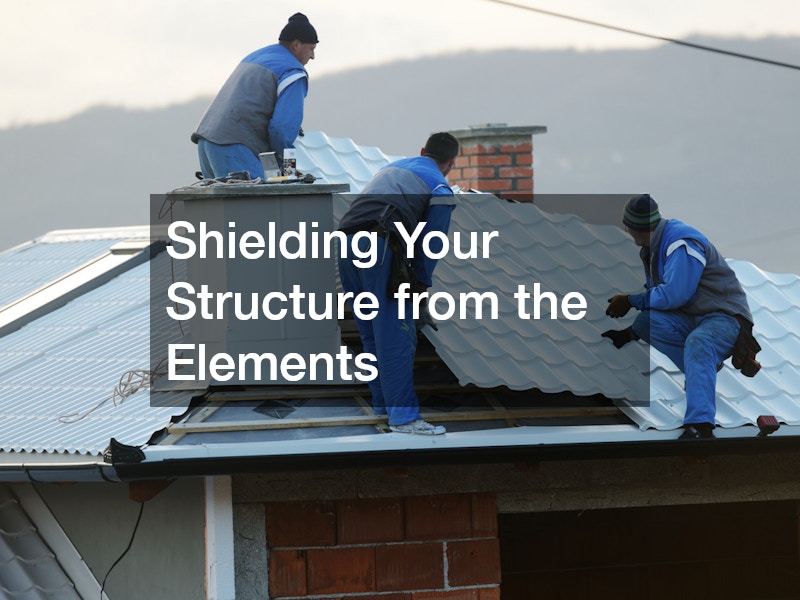
The upper surface of your home bears the brunt of nature’s forces. Neglecting this critical barrier is one of the quickest ways to incur catastrophic structural damage. Small vulnerabilities, like a single missing shingle or damaged flashing around a chimney, create pathways for water to enter the home. Once moisture breaches this outer layer, it begins to rot the wooden framing, ruin insulation, and damage drywall.
To protect your budget, inspect the upper structure at least twice a year, specifically after major storms. Look for signs of wear such as curling, cracking, or missing materials. If you spot these issues early, you can hire a local roofing contractor to perform targeted repairs. Addressing a few compromised areas immediately costs a fraction of what you would pay to fix widespread water damage inside your ceilings and walls. Taking care of these small issues ensures the longevity of your residential roofing, keeping the entire structure safe and dry for decades.
Keeping Drainage Pathways Clear of Blockages
Water is a home’s greatest enemy. Your property relies on a system of channels to collect rainwater and direct it safely away from the exterior walls and foundation. When these channels become clogged with leaves and debris, the water overflows, spilling directly down the sides of your house.
-
Clean out your drainage channels every spring and autumn to ensure a completely unobstructed water flow.
-
Install mesh guards over the channels if your property is surrounded by mature trees, reducing debris accumulation.
-
Check that the vertical downspouts extend at least five feet away from the base of the house to prevent pooling.
If you lack the proper ladders or do not feel safe working at heights, investing in professional gutter cleaning services is a smart financial move. Spending a small amount on this service twice a year prevents water from rotting the wooden fascia boards along your roofline and stops water from pooling around your concrete base, saving you from expensive foundational corrections later.
Safeguarding the Base and Surrounding Earth
Managing Ground Moisture and Structural Stability
The concrete base of your home bears the weight of the entire structure. If the soil beneath it shifts, erodes, or becomes oversaturated with water, the structural integrity of the entire building is compromised. Soil management is a crucial aspect of property preservation that directly impacts your finances.
When water pools against the base of your home, it exerts immense pressure against the concrete. Over time, this pressure causes the walls to bow, crack, and leak. If you notice horizontal cracks in your basement walls or doors that suddenly stick in their frames, you may be facing the need for extensive foundation repair. To prevent this financial nightmare, walk around your property during a heavy rainstorm to see where the water flows. The ground should slope gently away from the house, dropping at least six inches over the first ten feet. If it does not, you need to add soil to correct the grade before moisture destroys your base.
Regulating Lower-Level Moisture and Air Quality
The lowest level of a house is highly susceptible to humidity, dampness, and mold growth. Leaving this area unmonitored can ruin stored belongings and negatively impact the air quality throughout the rest of the home. Furthermore, if you plan to convert this lower zone into usable living space, failing to control moisture beforehand will ruin your investment.
-
Utilize a high-capacity dehumidifier in the lower level to maintain relative humidity levels below fifty percent.
-
Seal any minor wall cracks with hydraulic cement to prevent moisture from seeping through the concrete.
-
Inspect the sump pump regularly by pouring water into the basin to ensure it activates efficiently.
If you intend to add a bedroom, playroom, or home office down there, utilizing professional basement finishing services can significantly boost your home’s square footage and market value. However, ensuring the space is completely dry before finishing is vital. Taking care of moisture management beforehand guarantees that expensive drywall, flooring, and electronics are never ruined by unexpected water intrusion.
Optimizing Interior Mechanical Systems

Maximizing Climate Control Efficiency and Lifespan
Your heating and cooling systems are among the most expensive mechanical components in your home. They are also responsible for a massive portion of your monthly energy expenditures. Running an inefficient climate system is like throwing money out the window, as it works twice as hard to achieve the desired indoor temperature.
To keep these systems running efficiently, replace the air filters every ninety days, or more frequently if you have pets. Dusty filters restrict airflow, forcing the system to consume more electricity and putting unnecessary strain on the motor. Additionally, schedule an annual tune-up before the peak summer or winter seasons. A technician can clean the internal components, check refrigerant levels, and tighten electrical connections. Partnering with a reputable HVAC company for regular preventative tune-ups extends the operating life of your system by years, delaying the need for a multi-thousand-dollar system replacement.
Maintaining Water Heating Efficiency and Safety
The system responsible for your hot showers and clean dishes operates continuously behind the scenes. Because it is hidden away in a utility closet or basement, it is easily forgotten until you are suddenly hit with an icy blast of water mid-shower.
-
Flush the storage tank once a year to remove accumulated sediment, which insulates the heating element and lowers efficiency.
-
Test the temperature and pressure relief valve annually to ensure it operates correctly.
-
Inspect the sacrificial anode rod every three years and replace it if it is heavily degraded, preventing the tank itself from rusting.
Over time, minerals in the water settle at the bottom of the tank, creating a thick layer that forces the system to burn more fuel to heat the water. Regular maintenance keeps your water heaters running at peak efficiency, lowering your monthly gas or electric bills. It also prevents premature tank failure, which can cause catastrophic flooding and require an expensive emergency replacement.
External Property and Grounds Preservation
Managing Vegetation and Preventing Structural Impacts
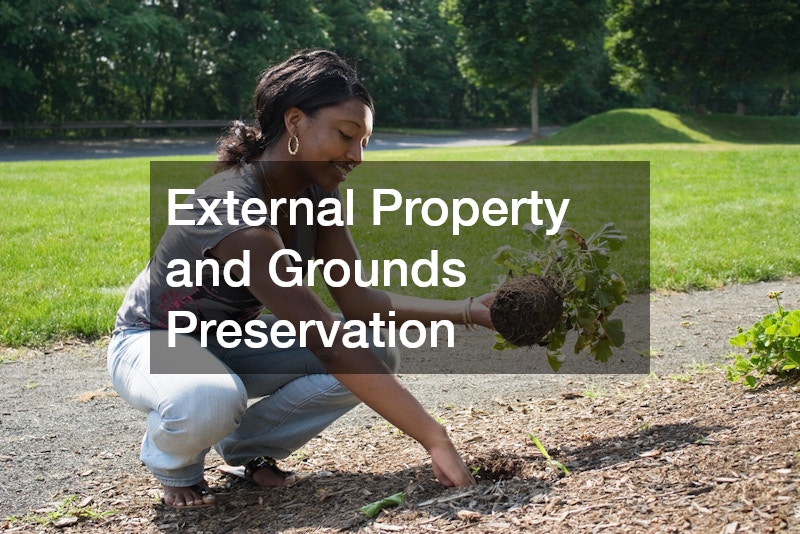
The living elements surrounding your property add curb appeal and value, but they can also pose severe financial risks if left unmanaged. Trees and large shrubs grow continuously, and their root systems and branches can easily damage your home if they are not monitored.
Large branches hanging over your roof can scrape against the surface material during high winds, stripping away protective granules. In a severe storm, these branches can snap and crash through your roof, causing thousands of dollars in structural damage and creating immediate safety hazards. Furthermore, overgrown root systems can grow beneath driveways and even your foundation, cracking the concrete from below. Periodically hiring local tree services to prune overhanging limbs and assess the health of large trees keeps your property safe. Removing a dead or dying tree under controlled conditions is far less expensive than dealing with the aftermath of a tree collapsing onto your home.
Designing Grounds for Proper Drainage and Aesthetic Value
Your yard should be designed not just for beauty, but for functionality. The way your grass, garden beds, and walkways are arranged directly affects how your property handles storm water and defends against soil erosion.
-
Keep mulch beds several inches below the siding of your house to prevent moisture from transferring to the wooden structure.
-
Direct automatic sprinkler heads away from the exterior walls of the house to avoid constant water exposure.
-
Plant deep-rooted groundcovers on steep slopes to bind the soil together and prevent heavy rain from washing the earth away.
Working with a professional landscaping contractor can help you design a yard that naturally channels water away from your home’s structural elements. A well-designed landscape utilizes retaining walls, French drains, and strategically placed plants to manage water flow. This strategic approach protects your structural investments while simultaneously elevating your property’s market value, proving that good exterior design pays for itself.
Eliminating Biological Threats

Preventing Structural Infestations and Degradation
Your home provides shelter for you, but it is also highly attractive to insects, rodents, and other unwanted critters looking for food and warmth. A biological intrusion is not just an unpleasant nuisance; it can cause massive financial damage to the underlying structure of your home. Termites, wood-boring beetles, and mice can quietly destroy wooden framing, chew through electrical wiring, and ruin insulation before you even realize they are there.
To protect your home, inspect the perimeter regularly for any gaps, cracks, or holes. Mice can squeeze through openings as small as a dime, so seal any vulnerabilities around pipes and vents with steel wool and caulk. Keep firewood stacked far away from the house, as it acts as a primary breeding ground for wood-destroying insects. If you notice signs of an infestation, such as droppings, mud tubes, or chewed wood, you must contact a professional pest control service immediately. Eliminating the problem early prevents these creatures from causing thousands of dollars in structural damage that regular homeowners’ insurance rarely covers.
Eliminating Moisture Sources That Attract Pests
Pests need water to survive, and they are naturally drawn to areas of high moisture. By controlling the humidity and dampness inside and outside your property, you make your home far less appealing to these destructive invaders.
-
Fix leaking faucets, running toilets, and dripping under-sink pipes immediately to eliminate easy water sources.
-
Ensure crawlspaces and attics are well-ventilated to prevent stagnant, humid air from accumulating.
-
Clear away damp piles of leaves and decaying organic matter from the immediate exterior perimeter of your home.
When areas under sinks or behind appliances remain damp, they create the perfect breeding ground for cockroaches, ants, and silverfish. Combining moisture control with regular cleanliness eliminates the primary reasons these creatures enter your living spaces, saving you from expensive remediation bills and protecting your family’s health.
Maintaining a home requires consistent effort, time, and financial investment, but the returns are double what you put in. By shifting your mindset from a reactive approach to a proactive, preventative strategy, you transform property care from an annoying chore into a powerful wealth-preservation tool. Every dollar you spend on small fixes today acts as insurance against catastrophic expenses down the road.