Enhancing the exterior of your house is one of the most rewarding home improvement endeavors a family can undertake. Beyond increasing curb appeal and overall market value, exterior upgrades make your living space more functional, safer, and more enjoyable for everyday family life. However, large-scale outdoor projects can quickly become financially overwhelming. Between materials, skilled trade labor, and unexpected structural surprises, costs can spiral out of control if you do not approach the planning process with a strategic mindset.
Managing your family finances requires balancing long-term goals with immediate household needs. The good news is that you do not have to compromise on safety or aesthetics to keep your outdoor renovations within budget. By understanding how contractor pricing works, timing your projects strategically, leveraging smart material choices, and executing minor tasks yourself, you can realize substantial savings on exterior home improvements. This detailed guide explores practical strategies across key outdoor renovation areas to help your family achieve the home of your dreams while protecting your financial peace of mind.
Planning and Budgeting for Success

Establish a Flexible Strategy and Phased Timeline
One of the largest drivers of budget overruns is attempting to complete every exterior project at once. When you spread projects out over a multi-year timeline, you allow your household savings to catch up between expenses. Start by triaging your property needs into urgent repairs, preventative maintenance, and cosmetic upgrades. Structural stability and water diversion should always take precedence over purely visual enhancements. By staging work across distinct financial quarters, you avoid taking on high-interest personal loans or depleting your emergency reserve.
Sourcing Multiple Quotes for Better Pricing
Never settle for the first estimate you receive, no matter how appealing it appears. Obtaining at least three to four distinct quotes gives you a reliable baseline for real costs in your geographic area. When reviewing bids, ensure every contractor is quoting on identical project specifications, materials, and warranty structures. Beyond price alone, pay close attention to payment schedules. A reputable contractor will generally require a reasonable down payment rather than demanding the entire project balance upfront.
Maximizing Value Through Off-Season Scheduling
Contractors experience seasonal demand cycles. Exterior trades are notoriously flooded with requests during late spring and summer, which drives up labor rates and creates extended wait times. Scheduling major projects during late autumn or early winter often yields lower labor estimates. Contractors are frequently eager to keep their core crews busy during slower months and may offer promotional rates or negotiate more flexibly on total costs.
Smart Roof Management and Savings
Conducting Annual Inspections to Avoid Major Repairs
Your roof is your home’s primary shield against environmental elements, making regular upkeep critical for long-term budget management. Small leaks, damaged flashing, or missing shingles can rapidly lead to rotted roof decks, mold growth, and compromised internal insulation. Inspecting your roof twice a year from the ground with binoculars, or safely from a ladder, allows you to spot minor defects before they transform into catastrophic structural expenses. Early intervention preserves the underlying structure and pushes back the need for a total replacement.
Choosing the Right Contractors for Structural Maintenance
When significant repairs or complete replacements become unavoidable, choosing the right trade professionals is essential. Gathering bids from a reputable local roofers team helps ensure you are paying competitive, fair market rates. Independent local crews often carry lower overhead expenses than massive corporate outfits, passing those operational savings directly on to homeowners. Furthermore, established local businesses rely heavily on community references, making them more accountable for high-quality craftsmanship.
Material Selection and Comparative Lifespans
Architectural asphalt shingles remain the most cost-effective roofing choice for standard residential properties, balancing affordability with decent durability. While premium metal or slate roofs present higher initial prices, asphalt options offer reliable performance at a fraction of the entry cost. If you plan to remain in your home for less than fifteen years, investing in ultra-premium roofing materials rarely yields a full financial return. Always weigh the upfront material expense against your family’s long-term housing plans.
Vet Credentials and Warranties Prior to Signing
Before committing to a major roof restoration, thoroughly review candidate credentials and insurance coverages. Partnering with a licensed and fully insured roofing company protects your assets against job-site accidents or property damage. Verify that the business carries both general liability and workers’ compensation insurance. Additionally, request clarity on manufacturer material warranties versus the contractor’s workmanship guarantee, ensuring you avoid unexpected out-of-pocket costs if defective materials fail prematurely.
Economical Wall Cladding and Siding Upgrades
Strategic Repair Versus Complete Replacement
Replacing the entire exterior siding of a house represents one of the largest capital expenses a family can face. In many cases, full replacement is unnecessary if damage is localized. Vinyl and fiber cement systems allow individual planks or sections to be removed and replaced without disturbing the surrounding structure. If your existing cladding is structurally sound but visually dated, a fresh application of high-quality exterior paint paired with target repairs can revitalize your home for a small fraction of a full siding overhaul.
Selecting Cost-Effective Cladding Materials
Material choices directly dictate your overall project expense. Standard vinyl siding offers an exceptional balance of affordability, moisture resistance, and low long-term maintenance. Fiber cement provides enhanced fire resistance and an elevated finish at a moderate price increase, while traditional natural wood requires expensive ongoing staining and sealant treatments. Evaluating materials based on both initial purchase price and ongoing maintenance requirements prevents future financial strain.
Hiring Specialty Installers for Complex Projects
Installing specialized modern siding options requires precision craftsmanship to prevent water infiltration and thermal bridging. Securing a skilled best siding installer guarantees that product specifications are precisely followed, preserving valuable manufacturer warranties. Experienced installers work efficiently, minimizing total labor hours and preventing costly material waste caused by amateur cutting mistakes. Investing in certified installation saves thousands of dollars over time by eliminating structural rework.
Modernizing Exterior Profiles with Alternative Finishes
For homeowners seeking a modern or rustic architectural style, alternative siding designs present an attractive balance of performance and aesthetics. Exploring specialized metal board and batten siding services allows families to achieve a striking contemporary look while benefiting from extreme weather durability. Metal cladding options resist rot, pests, and fire, significantly reducing lifetime maintenance costs. Combining high-durability modern accents with standard siding on non-focal walls keeps material budgets under control.
Budget-Friendly Hardscaping and Flatwork
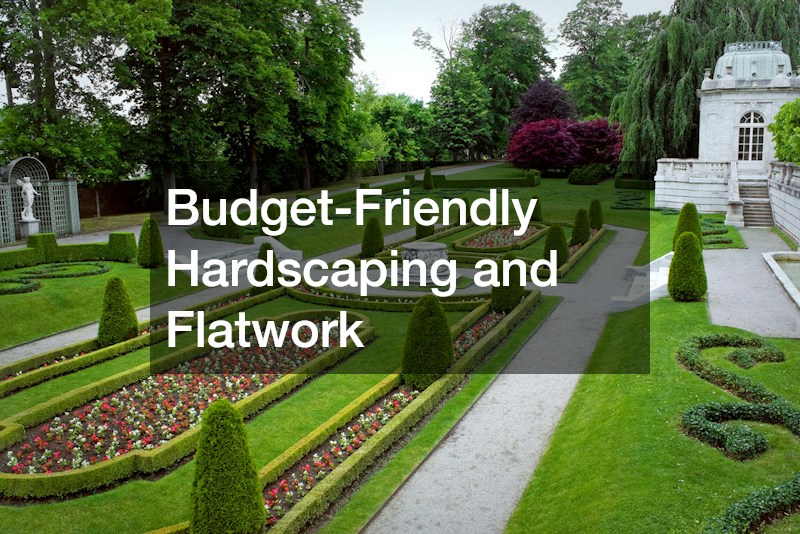
Prioritizing Durable Masonry for High-Traffic Surfaces
Hardscape features like patios, retaining walls, and walkways define your outdoor living environment. Utilizing durable materials prevents premature cracking, shifting, and costly reconstructive work. Pouring solid structures using concrete masonry provides extraordinary structural longevity at a competitive price point compared to natural cut stone. Pre-cast concrete blocks and structural pavers offer high aesthetic appeal while allowing for simple, localized repairs if ground settling occurs over time.
Upgrading Vehicles and Entry Pathways Economically
Driveways endure immense physical load, seasonal freeze-thaw cycles, and heavy vehicle traffic. When replacing an deteriorating asphalt or gravel driveway, choosing a cast concrete driveway delivers long-term durability with minimal maintenance demands. To control initial installation costs, keep the layout straightforward with straight geometric lines rather than complex curved designs. Standard broom-finish surfaces provide excellent slip resistance while eliminating the high labor fees associated with intricate stamped patterns.
DIY Preparation and Site Demolition Work
Labor accounts for a massive percentage of total hardscaping invoices. Homeowners can significantly lower final contract prices by taking on non-skilled demolition and site prep work themselves. Clearing vegetation, breaking up old wooden borders, or hauling away non-hazardous debris before the construction team arrives saves expensive billable hours. Always discuss with your contractor beforehand which site prep tasks you can safely execute to ensure work aligns with site specifications.
Smart Sealing and Maintenance Practices
Protecting your outdoor masonry investments extends their operational lifespan by decades. Applying high-grade penetrating sealers every two to three years prevents moisture absorption, freeze-thaw spalling, and surface staining. Promptly addressing minor hairline cracks with flexible masonry caulk prevents water from entering underneath the slab, which is the primary cause of major structural shifting and costly foundation failures.
Affordable Tree Care and Grounds Maintenance
Mitigating Risks Through Proactive Tree Maintenance
Large, unmaintained trees present serious safety hazards to residential structures during severe storm events. Dead limbs, overhanging branches, and decayed trunks can cause catastrophic damage to roofs, vehicles, and utility lines. Scheduling routine pruning eliminates hazardous weight and improves tree structure, preventing multi-thousand-dollar emergency home repairs and insurance claim deductibles down the line.
Utilizing Specialized Arborist Services Efficiently
Extensive tree removals are inherently hazardous and require specialized machinery, rigging equipment, and safety protocols. Contracting a certified local tree removal service ensures that dangerous, large-scale fellings are executed safely without risking damage to surrounding structures. To optimize costs, inquire if the crew can leave chipped mulch or cut logs on-site for your family’s personal garden or firewood use, which eliminates costly hauling and disposal fees from the invoice.
Professional Property Risk Evaluations
Identifying potential hazard trees before they fail requires expert knowledge of arboriculture and structural stability. Requesting formal tree risk assessments from certified arborists allows homeowners to prioritize urgent tree safety concerns while deferring non-critical cosmetic trimming. Arborists can identify internal decay, fungal infections, and root instability that an untrained eye would miss, preventing unexpected property destruction and costly emergency calls during severe weather.
Clearing Debris and Reclaiming Salvageable Wood
After professional crews handle heavy high-risk limb removals or tree fellings, take over the site cleanup process. Raking branches, stacking firewood, and spreading leftover wood chips across garden beds saves substantial clean-up labor charges. Additionally, wood chips serve as exceptional, cost-free weed suppression and soil moisture retention mulch for garden beds, saving money on commercial landscape supplies.
Strategic Landscaping on a Budget
Designing Sustainable and Low-Maintenance Landscapes
Creating an attractive yard does not require massive financial investments in exotic plants and complex irrigation networks. Opting for native plant species drastically cuts initial purchasing fees and ongoing utility bills. Native trees, shrubs, and perennials are naturally adapted to local soil compositions and rainfall patterns, requiring significantly less supplemental watering, fertilizer, and pest management. Grouping plants with similar water and light requirements maximizes efficiency and reduces plant replacement costs.
Professional Guidance for Long-Term Planning
Designing a coherent, manageable outdoor space from scratch can be daunting for busy families. Enlisting an affordable landscaping service for initial concept development or master planning prevents costly placement errors. Professional crews understand mature plant sizes, soil drainage requirements, and sunlight exposure, ensuring that expensive trees and shrubs are not planted too close to foundations or utility lines where they could cause future structural damage.
Phasing Softscape Projects Over Time
You do not need to execute a complete property landscaping plan in a single weekend. Purchase foundational structural plants, such as shade trees and privacy hedges, in the first phase so they can begin growing. Reserve lower-priority decorative annuals, ground covers, and perennial beds for subsequent seasons. Buying plants in smaller container sizes, such as bare-root stock or one-gallon pots, yields substantial savings compared to mature specimen plants, as smaller stock adapts faster and quickly catches up in size.
Tailored Design Plans for DIY Execution
If you prefer to perform the physical labor yourself but lack design experience, hire an expert for a one-time consultation. Investing in local landscape design expertise gives you a professional layout blueprint tailored precisely to your property topography and family usage needs. Armed with an overarching plan, you can purchase materials independently over time and execute planting schedules at your own pace, eliminating contractor labor fees entirely while achieving a polished design.
General Budgeting Principles for Household Upgrades
Sourcing Recycled and Surplus Materials
For non-structural exterior accents, decorative garden walls, or patio borders, explore architectural salvage yards, local online marketplaces, and home improvement surplus stores. You can frequently locate unused stone pavers, leftover lumber, exterior light fixtures, and hardware at massive discounts off standard retail pricing. Mixing high-end core construction materials with budget-friendly or reclaimed accent features gives your property a custom appearance on a modest budget.
Tool Rental versus Purchasing Equipment
Specialized outdoor projects often require commercial-grade equipment such as pressure washers, stump grinders, plate compactors, or motorized augers. Purchasing these expensive tools for a one-off weekend project is rarely cost-effective. Utilize local tool rental departments or community tool-sharing libraries to access professional-grade machinery for a tiny fraction of the retail purchase price. Proper tools dramatically decrease execution time and improve overall finish quality.
Managing Contingency Funds for Unexpected Expenses
Exterior renovation projects notoriously uncover hidden structural issues once work begins. Rotted structural framing beneath old siding, concealed roof deck decay, or poor underground soil drainage can quickly disrupt your financial plan. Always build a mandatory fifteen to twenty percent contingency buffer directly into your project budget. Having dedicated reserve cash prevents mid-project halts and ensures your family avoids high-interest credit cards to cover unexpected emergency additions.
DIY versus Professional Execution Balance
Knowing your physical limits and technical skill level is the ultimate money-saving strategy. Simple projects like painting lower-level trim, assembling basic raised garden beds, spreading mulch, or installing low-voltage solar landscape lighting are ideal DIY tasks. However, complex work involving electrical wiring, gas lines, structural framing, high-altitude roofing, or large tree removals should strictly be left to licensed professionals. Attempting complex trades without proper skills often leads to costly repairs, code violations, or severe physical injury that far outweighs any initial labor savings.
Sustainable Upgrades for Long-Term Savings
Maximizing exterior home improvement savings requires balancing immediate upfront costs with long-term financial management. Strategic planning, phased project timelines, off-season contractor scheduling, and smart material choices allow families to dramatically elevate curb appeal without straining their finances. By focusing on essential structural maintenance first and taking on safe, non-skilled prep work themselves, homeowners can stretch every dollar further while creating an outdoor environment their family will enjoy for decades to come.