Private kindergarten programs provide a myriad of advantages that public options often cannot match. The primary benefit is individualized attention, as these programs usually boast smaller class sizes, allowing teachers to focus more on each child’s unique needs. This tailored educational environment significantly enhances learning outcomes and fosters a supportive community where children can thrive.
Additionally, private kindergartens often incorporate advanced curricular resources and educational technology, giving children a head start in crucial cognitive skills. The focus on holistic education makes these programs particularly appealing to parents seeking comprehensive development for their children.
Another compelling advantage is the flexibility and innovation within private kindergarten curricula. Unlike their public counterparts, private kindergartens often have the freedom to develop unique teaching methods and specialized programs. This flexibility enables them to adapt quickly to educational trends and incorporate cutting-edge pedagogical practices. For example, many private kindergartens emphasize a bilingual curriculum, artistic expression, or enhanced STEM education, providing children with a broader range of skills. This adaptability ensures that the instruction remains relevant and engaging for young learners.
Moreover, private kindergartens often offer superior infrastructure and facilities compared to public schools. Classrooms tend to be more well-equipped with learning materials and interactive tools that make education both effective and enjoyable. Beyond the academic environment, these programs frequently include extensive extracurricular activities that support physical, emotional, and social development. The safe and nurturing settings offered by private providers are often a significant factor in parents opting for private kindergarten. These elements collectively ensure a conducive atmosphere for early childhood growth.
How Do Private Kindergarten Programs Support Child Development?
Private kindergarten programs play a crucial role in supporting the developmental needs of children across multiple domains. Cognitive development is heightened through structured yet flexible educational activities that are designed to stimulate intellectual growth. Teachers in private settings often employ diverse pedagogical strategies, such as play-based learning and hands-on experiments, fostering critical thinking and problem-solving skills. The fact is, children who begin their educational journeys in such enriching environments often perform better in subsequent grade levels. This solid foundation is invaluable as it equips students with the ability to tackle future academic challenges with confidence.
Social and emotional development is another area where private kindergarten programs excel. The nurturing environment facilitated by small class sizes ensures that children form meaningful and supportive relationships with their peers and educators. These early interactions promote essential social skills, such as cooperation, empathy, and communication. Furthermore, private programs often provide structured opportunities for children to engage in collaborative projects, reinforcing teamwork and understanding of group dynamics. This foundation of emotional intelligence is critical for lifelong personal and professional success.
The physical development of children is not neglected in private kindergarten settings. Many programs emphasize the importance of physical health alongside academic and emotional growth. With access to well-maintained sports facilities and engaging physical education curricula, children can develop motor skills and instill healthy lifestyle habits early on. Furthermore, nutrition education and wellness are often integral components of private kindergarten offerings, aligning with the holistic approach to child development. These multifaceted strengths position private kindergartens as instrumental in fostering well-rounded individuals.
Are Private Kindergarten Programs Cost-Effective in the Long Run?
The financial implications of enrolling a child in a private kindergarten program are naturally a significant consideration for parents. At first glance, the tuition fees may seem daunting compared to public alternatives, but when examined holistically, the long-term benefits often justify the cost. The comprehensive education and early skill development that private kindergartens offer can lead to improved future academic performance and opportunities, ultimately resulting in cost savings. Graduates of these programs frequently advance to prestigious schools and universities, which can enhance career prospects and financial stability. This likelihood of future success often makes the initial investment worthwhile.
Furthermore, the personalized attention and enriched learning experiences provided by private kindergartens can be particularly cost-effective for children with special educational needs. These programs often have the resources and expertise to offer specialized support, which may otherwise require additional expenditures if sourced externally. The inclusive and adaptive educational settings allow all children to progress at their own pace, maximizing individual potential. While the upfront costs can deter some families, the value derived from tailored educational experiences is substantial and lasting. This alignment of resources with the unique needs of each child provides a competitive advantage in their educational journey.
Additionally, the cost-effectiveness of private kindergarten programs can also be viewed through the lens of parental involvement and satisfaction. With proactive communication and engagement opportunities, these programs ensure parents are integral participants in their child’s education. This active involvement enhances educational outcomes and strengthens the parent-child relationship. The peace of mind that comes from knowing their child is receiving quality education in a supportive environment can also translate into intangible benefits, such as reduced stress and increased productivity for parents. Overall, the investment in private kindergarten programs is often seen as beneficial both financially and personally in the broader perspective.
How Do Private Kindergarten Programs Incorporate Parental Involvement?
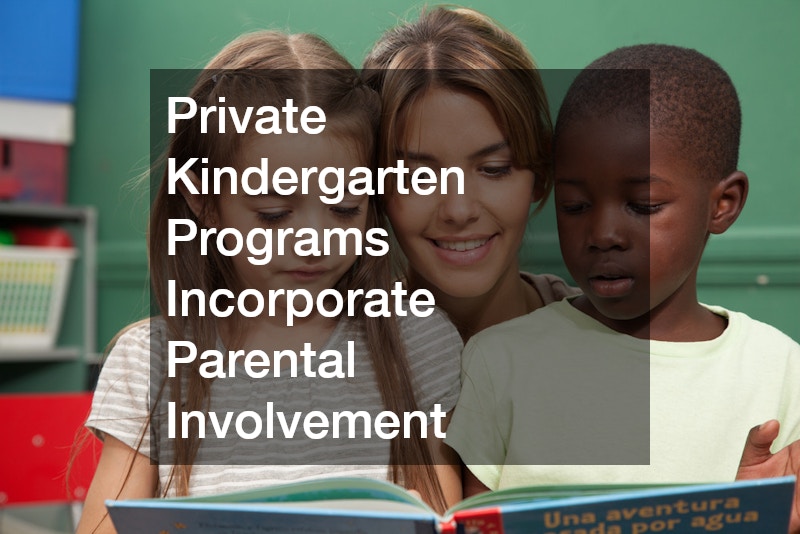
Parental involvement is a cornerstone of the approach taken by many private kindergarten programs, recognizing the critical role parents play in their children’s education. These programs often adopt a community-based model, where parents are not just observers but active participants. Regular communication through digital platforms, meetings, and events keeps parents informed and engaged with their children’s progress and school activities. This transparency fosters a collaborative relationship that enhances the overall educational experience. The tight-knit community aspect of these programs provides a support network for families as they navigate early childhood education together.
Moreover, private kindergarten programs frequently offer structured opportunities for parents to actively participate in classroom activities and decision-making processes. Volunteer opportunities, parent-teacher committees, and workshops are commonplace, allowing parents to contribute their skills and insights effectively. This level of involvement ensures that the curriculum and classroom environment are closely aligned with family values and expectations. By empowering parents to have a voice in their child’s education, private programs create a tailored and cohesive learning experience. This engagement strengthens the school community and increases parental satisfaction and commitment.
Programs also understand the diverse needs of modern families and may offer flexible schedules or online resources to accommodate busy parents. The inclusion of parental input in the educational framework underscores the program’s commitment to holistic child development. Additionally, parents benefit from networking with other families, exchanging ideas, and gaining support through community gatherings and events. This interconnectedness not only enhances the educational journey but also fosters a nurturing and inclusive atmosphere for all involved. By embedding parents into the educational fabric, private kindergartens create enriching environments conducive to student success.
What Are the Long-Term Impacts of Attending Private Kindergarten?
The long-term impacts of attending a private kindergarten extend beyond the immediate educational benefits and influence various aspects of a child’s development. Students who begin their academic careers in private kindergartens often possess a strong academic foundation, which serves as a catalyst for future success. The skills and knowledge acquired in these formative years can lead to sustained academic achievement and opportunities in higher education. Exposure to high-quality education and diverse learning environments fosters adaptability and resilience, critical traits that are advantageous in an ever-evolving world. Consequently, the influence of private kindergarten education often resonates throughout a child’s life.
A noteworthy long-term impact is the cultivation of lifelong learning habits. Private kindergartens are known for cultivating curiosity, creativity, and a love of learning, attributes that persist well after the kindergarten years. The supportive and enriched educational settings instill confidence and a willingness to explore new challenges, essential qualities for academic and personal growth. Alumnae of private kindergarten programs frequently transition smoothly through educational phases, leveraging foundational skills that facilitate continuous adaptation and growth. This head start often results in a lifelong pursuit of knowledge and achievement.
In social terms, the long-term benefits of private kindergarten continue to manifest as children grow. The early emphasis on social skills, empathy, and teamwork translates into well-adjusted individuals with strong interpersonal abilities. These capabilities often lead to positive relationships and effective collaboration in both personal and professional spheres. Private kindergarten attendees frequently display leadership qualities and the ability to work well within diverse groups, derived from their early immersive experiences. These attributes enhance their potential to succeed and contribute positively to society.
By exploring these dimensions, it is evident why many parents choose private kindergarten programs. The decision often reflects a commitment to enhanced educational quality, personalized learning opportunities, and long-standing benefits for their children. Private kindergartens offer comprehensive environments where academic, social, and emotional development is seamlessly integrated, providing students with a solid foundation for future endeavors. The personalized attention, parental involvement, and innovative curricular approaches resonate strongly with families seeking the best start for their children. Ultimately, the value of private kindergarten education extends far beyond the classroom, shaping well-rounded individuals poised for success.